
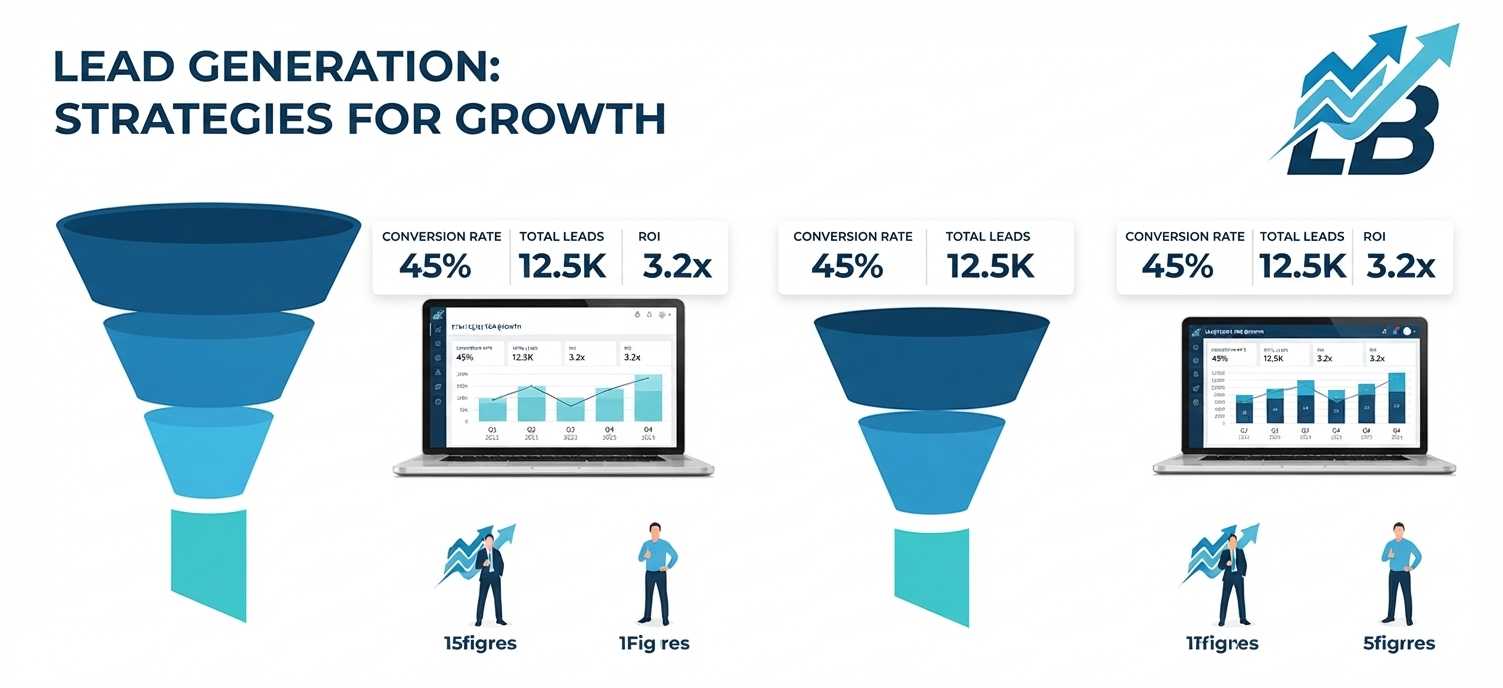
Lead Generation Explained for Beginners and Growing Businesses
Every growing business needs a steady stream of new customers to survive and thrive. Yet, many business owners find themselves wondering where the next client will come from. If you have ever felt that way, you are certainly not alone.
In simple terms, lead generation is the process of attracting people who are genuinely interested in what your business sells and guiding them towards making a purchase. Rather than shouting your message to the general public and hoping for the best, lead generation helps you find the right people, start a helpful conversation, and build trust over time.
In this guide, we will break down what lead generation is, why it matters for your business, and the practical steps you can take to start bringing in quality prospects today.
What Exactly Is a “Lead”?
Before diving into the strategy, let us clear up what a lead actually is.
A lead is anyone who has shown interest in your company’s products or services. For example, if someone visits your website, reads your article, and fills out a contact form to ask about your pricing, they have crossed the line from a random browser into a lead.
Not all leads are created equal, however. You will generally encounter two main types:
- Marketing Qualified Leads (MQLs): People who have engaged with your content – such as downloading a guide or subscribing to your newsletter – and are starting to explore their options.
- Sales Qualified Leads (SQLs): Prospects who have shown clear intent to buy, such as requesting a product demo or asking for a direct quote.
Why Lead Generation Matters for Growing Businesses
When you are running a business on a tight budget, every penny counts. Relying purely on word-of-mouth or unpredictable walk-in traffic can make your monthly revenue feel like a rollercoaster.
An intentional lead generation strategy offers several clear benefits:
- Predictable Growth: Instead of guessing where next month’s income will come from, a steady pipeline of leads gives you reliable forecasting.
- Better Use of Resources: Focusing your energy on people who have already shown an interest means you spend less time chasing cold prospects and more time closing deals.
- Stronger Relationships: Good lead generation isn’t about hard selling; it is about offering upfront value, answering questions, and building genuine trust before a transaction ever takes place.
Core Pillars of an Effective Lead Generation Strategy
You do not need an enormous marketing budget or a massive team to build a working lead generation system. You simply need a few well-connected moving parts working together smoothly.
1. Optimise Your Website to Capture Interest
Your website is your silent salesperson, working around the clock. If it looks outdated or makes it difficult for visitors to get in touch, potential clients will simply click away.
- Clear Calls to Action (CTAs): Make sure every page tells the visitor what to do next, whether that is “Book a Free Consultation” or “Download Our Free Checklist.”
- Fast Mobile Performance: More than half of your visitors will arrive on mobile phones. If your pages take too long to load, prospective clients will leave before they even see your offer.
2. Attract High-Intent Traffic with SEO
Paid advertisements can burn through a small budget very quickly. Search Engine Optimization (SEO), on the other hand, helps you attract people who are actively typing their problems into Google right now. By publishing helpful articles, guides, and service pages that answer your customers’ specific questions, you create a sustainable, long-term stream of free organic traffic.
3. Offer a Valuable Lead Magnet
People rarely hand over their email addresses or phone numbers for no reason. To bridge the gap, offer something genuinely useful in exchange for their contact details. This could be:
- An in-depth PDF checklist or industry guide.
- A free house mortgage calculator on your website.
- A short, practical video tutorial solving a common headache in your industry.
4. Nuture Leads with Polite Follow-Ups
Getting a prospect’s contact details is only half the battle. Many people are simply researching and aren’t ready to buy on day one. A polite, non-pushy email sequence that shares additional tips, answers common questions, and showcases helpful case studies keeps your business top of mind until they are ready to make a decision.
Common Pitfalls to Avoid
As you build your lead generation process, keep these common mistakes in mind:
- Making Forms Too Long: Asking for too much information upfront scares people away. Stick to the essentials – usually just a name and an email address to start.
- Ignoring Mobile Users: If your forms or landing pages break on smaller screens, you are throwing away a massive percentage of your potential inquiries.
- Giving Up Too Soon: Building momentum takes a little time. Consistency in publishing helpful content and reaching out to prospects yields the best long-term results.
Final Thoughts
Lead generation does not have to feel overwhelming or overly complicated. By focusing on creating a helpful website, answering your ideal customers’ questions through search optimisation, and offering real value upfront, you can build a reliable pipeline that supports your business growth for years to come.
Take it one step at a time, focus on helping your prospects succeed, and watch your customer base grow naturally.
